Elevating Visual Identity with 3D Layered Mandala Assets
In the contemporary landscape of digital design and creative entrepreneurship, the demand for high-fidelity, versatile visual assets has never been more acute. As professionals, creators, and marketers navigate an increasingly saturated visual marketplace, the ability to produce content that stands out through depth, texture, and intricate detail is paramount. This is where specialized digital resources, such as the 3D Layered Mandala, become indispensable tools in a designer’s arsenal. These assets are not merely decorative elements; they represent a convergence of traditional geometric artistry and modern digital fabrication capabilities, offering a sophisticated solution for brands seeking to communicate complexity and harmony.
The Evolution of Geometric Art in Digital Media
Mandalas have long served as symbols of unity, wholeness, and spiritual balance across various cultures. Historically rendered in sand, paint, or stone, their circular symmetry and repetitive patterns evoke a sense of calm and order. However, the digitization of these ancient forms has unlocked new possibilities for application. The transition from static, two-dimensional representations to dynamic, multi-layered compositions reflects a broader shift in consumer preferences toward immersive and tactile visual experiences.
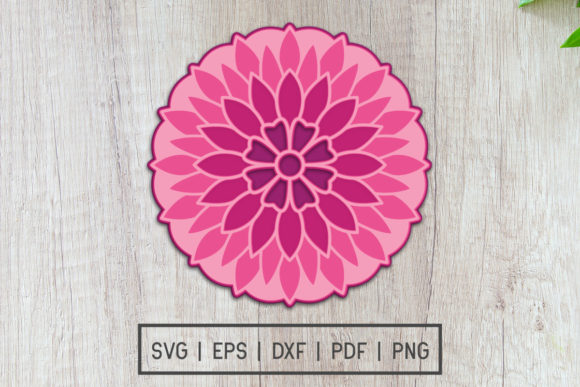
The 3D Layered Mandala asset leverages this evolution by breaking the flat plane of traditional graphics. By utilizing multiple layers of vector data, designers can create illusions of depth, shadow, and dimensionality without the need for complex 3D modeling software. This approach aligns with current trends in user interface (UI) design and branding, where "skeuomorphism" and "neumorphism" have seen revivals—styles that emphasize realistic textures and spatial relationships. For entrepreneurs and freelancers, incorporating these layered designs allows for the creation of premium-looking materials that feel substantial and carefully crafted, even when displayed on screens.
Technical Versatility and Workflow Efficiency
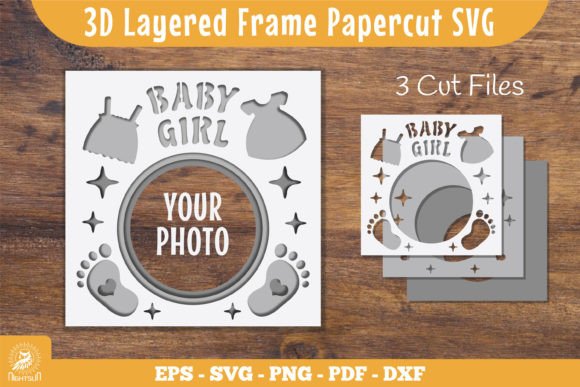
For professionals managing tight deadlines and diverse client requirements, efficiency is key. The value of the 3D Layered Mandala lies not only in its aesthetic appeal but also in its technical robustness. Upon purchase, users receive a comprehensive ZIP folder containing the artwork in five distinct file formats: SVG, DXF, EPS, PNG, and PDF. Each format serves a specific purpose within a modern creative workflow, ensuring compatibility across various platforms and production methods.
- SVG (Scalable Vector Graphics): Essential for web design and responsive layouts. SVGs allow the mandala to scale infinitely without pixelation, making it ideal for logos, website backgrounds, and interactive elements.
- DXF (Drawing Exchange Format): Critical for laser cutting and CNC routing. This format enables physical makers and crafters to translate digital designs into tangible products, such as wooden wall art, acrylic decorations, or metal signage.
- EPS (Encapsulated PostScript): A standard for print production. EPS files ensure high-quality output for large-format printing, business cards, and marketing collateral.
- PNG (Portable Network Graphics): Useful for quick previews and social media posts where transparency is required but vector editing is not necessary.
- PDF (Portable Document Format): Ensures consistent viewing and printing across different devices, often used for final proofing before mass production.
This multi-format delivery system eliminates the friction often associated with file conversion, allowing designers to seamlessly move between digital and physical mediums. Whether you are a freelancer creating a brand identity package or an entrepreneur launching a line of home decor, having immediate access to these varied formats streamlines the production process.
Addressing Changing Consumer Expectations
Modern consumers are more visually literate than ever before. They expect brands to offer experiences that are both aesthetically pleasing and technically proficient. The trend toward "slow living" and mindfulness has also influenced design preferences, with audiences gravitating towards imagery that promotes tranquility and focus. The intricate, meditative nature of a mandala resonates with this desire for mental clarity and order.
Furthermore, the rise of the maker movement and the gig economy has empowered individuals to turn creative passions into viable businesses. Platforms like Etsy, Shopify, and Amazon Handmade are flooded with products that utilize layered paper cuts, vinyl decals, and laser-cut wood. The 3D Layered Mandala provides a ready-made foundation for these creators, enabling them to focus on customization and branding rather than starting from scratch. By downloading the ZIP folder and extracting the files, users can immediately begin experimenting with color palettes, layer combinations, and material choices, accelerating time-to-market for new products.
Practical Applications Across Industries
The versatility of the 3D Layered Mandala extends across numerous sectors, demonstrating its broad relevance in today’s market.
Interior Design and Home Decor
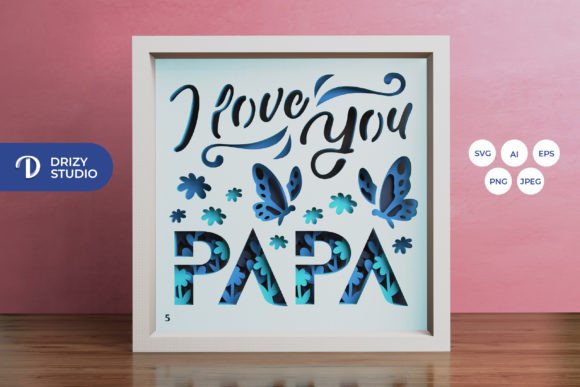
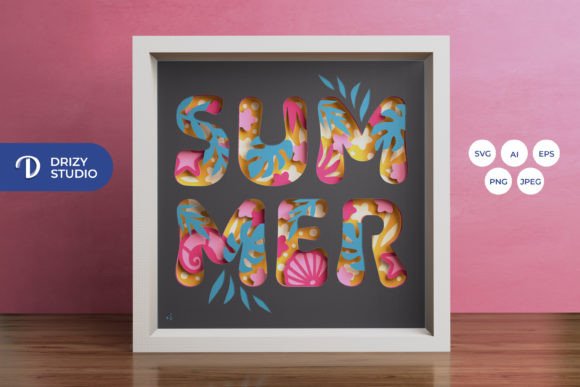
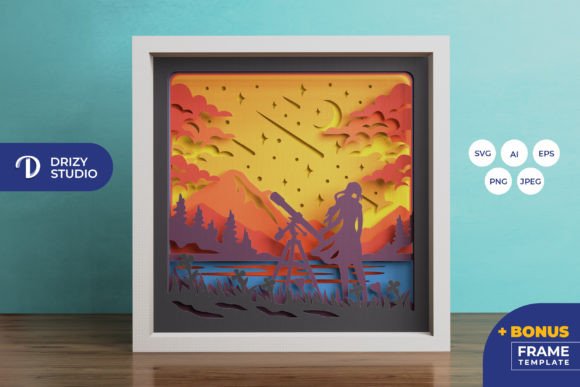
In the realm of interior design, layered mandalas serve as striking focal points. When cut from materials like birch plywood, MDF, or acrylic, these designs add texture and warmth to minimalist spaces. The interplay of light and shadow created by the overlapping layers changes throughout the day, adding a dynamic element to home environments. Marketers in the home decor niche can leverage these assets to create compelling product listings that highlight the craftsmanship involved.
Event Planning and Wedding Industry
Weddings and corporate events increasingly seek personalized and unique decor elements. Layered mandalas can be used as table centerpieces, backdrop installations, or invitation embellishments. The ability to customize colors and sizes ensures that these designs fit seamlessly into any theme, from bohemian chic to modern industrial. For event planners, using pre-designed vector files reduces lead times and allows for last-minute adjustments based on client feedback.
Digital Marketing and Social Media
In the digital sphere, attention spans are short. Visually rich graphics that capture interest instantly are crucial. The 3D Layered Mandala offers a sophisticated alternative to generic stock photos. Designers can animate the layers using CSS or JavaScript to create engaging loading screens, hover effects, or background animations for websites. On social media, static PNG versions can be used in stories and posts to convey a sense of elegance and professionalism.
Understanding the Product Delivery
It is important to note that this is a digital file download. No physical item will be sent to you. Upon completing the purchase, you will receive immediate access to a ZIP folder. To use the files, you must extract the contents of the ZIP archive. The artwork is sized at 12 x 12 inches, providing a generous canvas for detailed work while remaining manageable for most standard cutting machines and printers.
This instant-access model caters to the fast-paced nature of modern business. There are no shipping delays or inventory constraints. You own the rights to use the files according to the license agreement, allowing for unlimited commercial projects. This flexibility is particularly valuable for agencies handling multiple clients simultaneously, as they can deploy the same high-quality asset across different campaigns with varying stylistic tweaks.
Strategic Implications for Creators
For professionals and enthusiasts, integrating high-quality vector assets into their workflow is a strategic decision. It reduces the cognitive load associated with creating complex geometric patterns from scratch, freeing up mental energy for conceptual development and client communication. The 3D Layered Mandala exemplifies how technology can democratize access to professional-grade design tools.
Moreover, as artificial intelligence begins to generate vast amounts of content, human-curated, structurally sound, and technically precise vector files retain significant value. They offer reliability and editability that AI-generated raster images often lack. By investing in assets like the 3D Layered Mandala, creators are signaling a commitment to quality and precision, traits that are highly valued in B2B contexts and premium consumer markets.
Conclusion
The intersection of traditional art forms and modern digital technology continues to yield powerful creative opportunities. The 3D Layered Mandala stands at this intersection, offering a blend of aesthetic beauty and technical utility. Its multi-format availability, ease of use, and alignment with current design trends make it a valuable resource for anyone looking to enhance their visual output. Whether you are designing a website, crafting physical merchandise, or developing a marketing campaign, leveraging these layered assets can elevate your work, meeting the evolving expectations of a discerning global audience.
As we look to the future, the demand for customizable, high-quality digital assets will only grow. Professionals who adapt to these tools and integrate them into their workflows will be well-positioned to deliver exceptional results in an increasingly competitive landscape. The 3D Layered Mandala is not just a file; it is a catalyst for creativity, efficiency, and innovation.