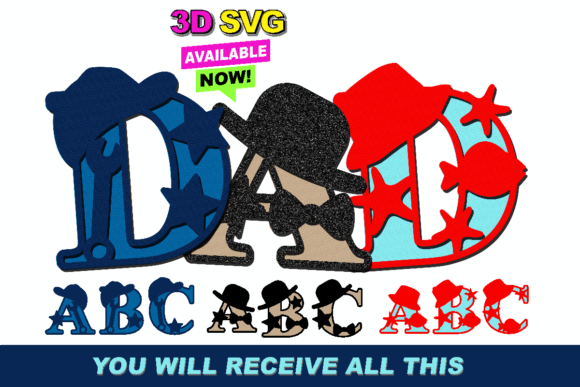
Fathers Day Card 3D SVG
Creating a memorable gift often comes down to the details. While store-bought cards are convenient, they rarely capture the personal touch that defines a meaningful relationship. For crafters and designers who value handmade aesthetics, finding the right digital asset can be the difference between a standard project and something truly special. The Fathers Day Card 3D SVG offers a sophisticated solution for those looking to elevate their paper crafting game this year.
This specific design is not just another flat template; it is engineered to create depth and dimension through precise cutting layers. Whether you are a seasoned pro with a Silhouette Cameo or a beginner dipping your toes into Cricut Design Space, understanding how to leverage this file effectively can transform a simple greeting into a keepsake. Below, we explore how to utilize this resource, adapt it for various styles, and ensure your final product looks professional and polished.
Understanding the Mechanics of 3D Paper Crafts
Before diving into the cutting process, it helps to understand why 3D SVGs stand out in the world of digital crafting. Unlike traditional single-layer designs, a 3D SVG relies on multiple layers that interlock or stack to create physical depth. When cut correctly, these layers form shadows, recesses, and protrusions that give the card a tactile quality. This adds a layer of sophistication that flat printing simply cannot replicate.
The primary advantage of using a pre-designed Fathers Day Card 3D SVG is precision. Calculating the exact millimeter offsets required for pop-up elements or layered text can be tedious and prone to error if done from scratch. A well-structured file handles these technicalities for you, allowing you to focus on material selection and assembly rather than complex geometry calculations. This efficiency is particularly valuable for small business owners producing custom orders or busy parents looking for a quick yet impressive weekend project.
Software Compatibility and Preparation
One of the most critical steps in achieving a clean cut is ensuring your software environment is ready. The provided files are optimized for Silhouette Studio and Cricut Design Space. These platforms offer robust tools for managing multi-layer files, grouping elements, and assigning cut settings to specific parts of the design.
- Silhouette Studio: If you use Silhouette machines, you will appreciate the ability to edit individual layers directly within the workspace. You can easily adjust the "offset" feature to add glue tabs or resize components before sending them to the cutter.
- Cricut Design Space: For Cricut users, the file structure should import cleanly. Use the "Weld" function carefully for solid shapes and "Group" to keep interactive elements together during the design phase.
If you are using other types of machines, such as older vinyl cutters or laser engravers, please ensure you are able to use this type of file with your machine. Vector-based SVGs are generally versatile, but proprietary formats may require conversion. Always test your cut settings on scrap material first. Factors like blade sharpness, mat tackiness, and material thickness can significantly impact the success of intricate 3D folds.
Material Choices That Enhance Depth
The visual impact of a 3D card is heavily dependent on the materials you choose. Standard copy paper often lacks the structural integrity needed to hold complex folds. Instead, consider using cardstock with a weight between 80lb and 110lb (approx. 216gsm to 300gsm). Heavier stocks provide better stability for standing elements, while lighter weights might be suitable for delicate inner layers.
Experimenting with textures can also add a unique flair. Kraft paper evokes a rustic, outdoorsy feel that pairs well with fatherhood themes. Metallic foils or shimmer papers can highlight specific text elements, drawing the eye to key messages. For a modern look, try pairing dark charcoal layers with crisp white accents to create high contrast. The interplay of light and shadow on textured surfaces makes the 3D effect even more pronounced.
Creative Applications and Customization Ideas
While the base design is powerful, its true potential lies in customization. Here are several ways to adapt the Fathers Day Card 3D SVG to suit different personalities and relationships.
Theme-Based Variations
Consider the recipient’s hobbies when selecting colors and additional embellishments. For the gardening dad, incorporate earth tones and perhaps add die-cut leaves around the central message. For the sports enthusiast, use team colors and integrate small dimensional elements that mimic jerseys or equipment. By aligning the color palette with his interests, you show attention to detail without altering the core structure of the card.
Personalized Messaging
Most vector files allow for easy text editing. Take advantage of this by changing generic phrases to specific memories. Instead of "Happy Father's Day," try "Thanks for Teaching Me to Ride." Use fonts that match the tone of the card—bold sans-serifs for a modern look, or script fonts for a more classic feel. Ensure that any added text does not interfere with the mechanical folding points of the 3D structure.
Hybrid Projects
You don’t have to limit yourself to paper alone. Combine the 3D SVG element with other mediums. For instance, attach a small pocket made from the same cardstock to hold a gift card or a handwritten note. You can also use the cut-out shapes as stencils for painting or embossing on wood or metal tags attached to the card. This hybrid approach adds versatility and extends the life of the design beyond a single occasion.
Tips for Assembly and Finishing
Assembly is where the magic happens. Patience is key. Follow the manufacturer’s instructions regarding fold lines. Using a bone folder or a blunt tool to score the paper before folding ensures crisp, clean creases. Avoid rushing this step, as sloppy folds can ruin the alignment of the 3D layers.
When gluing, use a fine-tip applicator to control the amount of adhesive. Excess glue can seep through layers and cause warping, especially with thicker cardstocks. Allow each section to dry completely before moving to the next to prevent accidental shifting. Finally, inspect the finished card for any loose edges or misaligned parts. A well-assembled card feels sturdy and intentional, reflecting the care put into its creation.
Why This Approach Works for Creators
For bloggers, educators, and small business owners, offering customizable 3D designs is a strong value proposition. It bridges the gap between digital convenience and physical craftsmanship. Customers are increasingly seeking products that feel personal and authentic. By providing a Fathers Day Card 3D SVG that is easy to cut yet visually stunning, you meet that demand effectively.
Moreover, sharing tutorials or tips on how to use these files builds authority and trust. When you explain the nuances of material choice and software setup, you position yourself as an expert who understands the practical challenges of crafting. This transparency resonates with audiences who want reliable, actionable advice rather than vague inspiration.
In conclusion, the Fathers Day Card 3D SVG is more than just a digital file; it is a toolkit for creativity. It empowers you to produce high-quality, personalized gifts that stand out. By mastering the software integration, selecting appropriate materials, and adding personal touches, you can create cards that are not only seen but felt. Embrace the process, experiment with different styles, and enjoy the satisfaction of bringing a 3D vision to life.