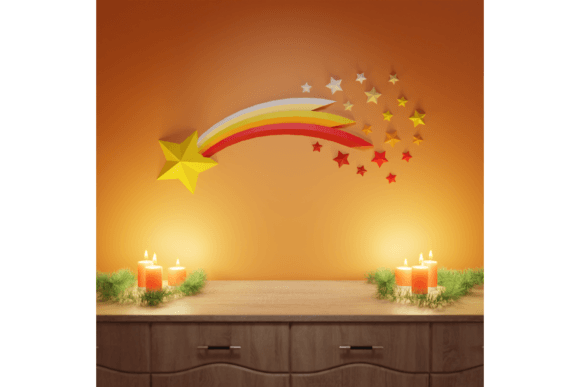
3D Papercraft Shooting Star
In the realm of visual communication, few elements capture attention quite like a dynamic, three-dimensional object suspended in space. The 3D Papercraft Shooting Star is more than just a decorative item; it is a masterclass in spatial design, structural integrity, and aesthetic appeal. For designers and creative professionals, understanding how physical forms translate into digital assets or brand identities can elevate any project. This intricate paper model offers a tangible example of how thoughtful composition and color theory work together to create a sense of motion and wonder, making it an excellent reference for modern aesthetics in both print and digital media.
The Intersection of Craft and Design
At its core, this papercraft project demonstrates the principles of visual hierarchy and color palette selection. Whether you are designing a logo, creating social media graphics, or developing packaging design, the way colors interact within a confined space is crucial. This shooting star model allows for customization in either three or six colors, providing a practical exercise in balancing contrast and harmony. The designer has thoughtfully crafted the pieces to ensure that the final assembly maintains a clean, professional presentation, a quality that should be mirrored in all your creative projects.
The ability to choose your own design inspiration from the available options means you can align the model with specific branding guidelines. Just as you would select typography that reflects a brand’s voice, selecting the right color combination for this model ensures it resonates with your intended audience. It serves as a reminder that even small details, like the choice between yellow and orange tones, contribute significantly to the overall emotional impact of a design.
Technical Specifications and Workflow
For those interested in replicating this level of precision, the technical requirements offer valuable insights into scalable design workflows. The model is designed to be printed on standard A4 or US Letter sheets, ensuring accessibility for home offices and professional studios alike. Understanding the material constraints is key to successful execution. The recommended cardstock, such as Encore Cardstock 80 lb cover (216 gsm), provides the necessary rigidity to hold the 3D structure while remaining easy to fold and glue.
The production process involves several critical steps that parallel digital design tasks:
- File Preparation: Downloading and unzipping files mirrors the asset management phase in any design workflow.
- Printing: Ensuring accurate scale and color calibration is essential, much like preparing files for commercial printing.
- Cutting and Folding: These actions require precision, reflecting the attention to detail needed in vector illustration or UI design.
- Assembly: Following the visual guide to glue parts together is akin to assembling complex layout components in editorial design.
Material Breakdown by Model Type
Selecting the right version depends on the desired visual complexity and resource availability. The six-color model offers a richer gradient effect, requiring 17 sheets total: 7 in Yellow, 2 in White, 2 in Light Yellow Sand, 2 in Orange, 2 in Light Red, and 2 in Dark Red. Alternatively, the three-color model simplifies the process with 14 sheets: 8 in Yellow, 3 in White, and 3 in Orange. Both versions result in an impressive finished dimension of approximately 80cm in width and 35.6cm in height, excluding the trailing stars, which adds to the dynamic feel of the piece.
Applications in Modern Branding and Marketing
Why does a paper shooting star matter to a graphic designer? Because it embodies the principles of brand identity through form and color. In digital marketing, capturing user attention quickly is paramount. The shooting star’s upward trajectory and bright colors naturally draw the eye, a technique that can be applied to web design and UX design to guide users toward call-to-action buttons. Similarly, in advertising campaigns, using such striking imagery can differentiate a brand in a crowded marketplace.
Furthermore, this project highlights the importance of modern aesthetics. The clean lines and geometric precision of the papercraft reflect contemporary design trends that favor minimalism combined with playful interaction. This balance is crucial for merchandise and promotional items, where the goal is to create objects that people want to keep and display. By studying how these paper layers come together, designers can better understand how to layer information in editorial layouts or create depth in flat interface designs.
Conclusion
The 3D Papercraft Shooting Star is not merely a holiday decoration; it is a testament to the power of well-executed design. It shows how strategic use of color, precise planning, and high-quality materials can transform simple sheets of paper into a captivating visual experience. For designers, marketers, and creators, appreciating these fundamentals enhances every aspect of their work, from logo design to comprehensive brand systems. By integrating these principles of clarity, beauty, and functionality, you can ensure that your creative outputs consistently communicate value and inspire engagement.