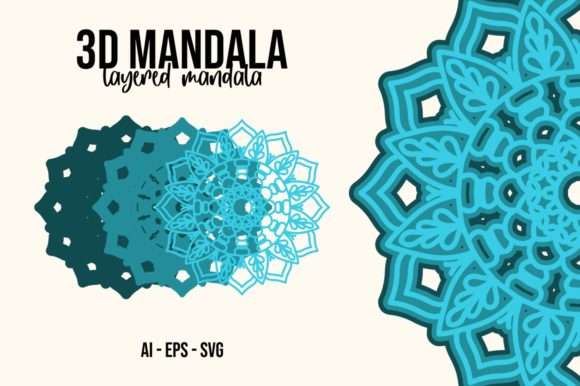
3D Mandala Flower Paper Cut
If you have ever spent an afternoon trying to get a complex geometric pattern to look crisp on a vinyl decal, or struggled with the limitations of standard flat clipart for your next craft project, you already understand the gap between "good enough" and "professional." This is where 3D Mandala Flower Paper Cut designs step in. It is not just another decorative element; it is a versatile digital asset designed to bridge the gap between intricate traditional art and modern digital fabrication tools.
At its core, this design leverages layered vector logic to simulate depth without requiring actual physical layering during the initial cutting phase. For creators using machines like Cricut or Silhouette, this means fewer alignment headaches and more striking visual results. Whether you are looking to produce high-end wall art, customize merchandise for an Etsy shop, or simply add a touch of elegance to a homemade gift, understanding how to utilize these specific SVG files can transform your workflow.
Why Layered Vectors Change the Game
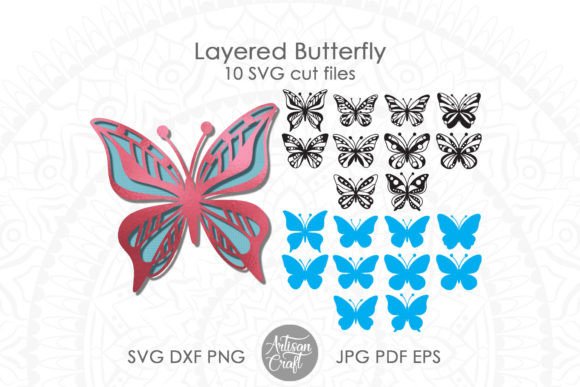
Traditional mandalas are beautiful but often flat when printed or cut from a single sheet of material. The magic of the 3D Mandala Flower Paper Cut lies in its structural intent. By organizing the design into distinct layers within the file, you create an optical illusion of depth. When cut from cardstock, vinyl, or even fabric, stacking these layers—even slightly offset—creates shadows and dimension that catch the light differently than a flat image ever could.
This approach is particularly valuable for entrepreneurs selling physical products. A customer scrolling through Instagram is far more likely to stop and engage with a photo of a multi-layered paper flower hanging against a wall than they are with a simple 2D sticker. The perceived value increases because the item looks handcrafted and complex, even if the production process is streamlined by digital precision.
Real-World Applications Across Different Niches
The beauty of this resource is its adaptability. You do not need to be a professional artist to use it effectively. Here is how different groups are actually applying these designs in their daily work and hobbies.
Home Decor and Event Styling
For event planners and DIY enthusiasts, wall decor is a massive trend. Instead of buying expensive imported installations, you can create custom-sized mandala backdrops for weddings, baby showers, or birthday parties. By scaling up the 3D Mandala Flower Paper Cut SVG and printing it onto heavyweight cardstock or foam board, you can create stunning focal points. The layered nature allows you to change colors easily in your design software before cutting, meaning you can match any theme palette—from rustic earth tones to neon party vibes—without needing new files.
Apparel and Wearable Art
Designers creating t-shirts, tote bags, or hoodies often struggle with intricate details getting lost in screen printing or heat transfer vinyl (HTV). Standard mandalas can become muddy blobs when scaled down. However, using the separated layers of this 3D design allows you to cut individual petals or geometric sections separately. You can then layer them on fabric using HTV, creating a textured, raised effect that feels premium. This technique works exceptionally well on dark-colored shirts where contrast is key.
Commercial Merchandise and Promotional Items
If you run a small business selling mugs, tumblers, or signs, visual appeal drives sales. Laser engravers and sublimation printers benefit greatly from clean vector lines. The included formats ensure compatibility with most commercial-grade software. When applied to a stainless steel tumbler, the sharp edges of the mandala design prevent blurring. Furthermore, because the design supports color changes digitally, you can offer personalized options to customers, such as monogramming integrated into the center of the flower pattern.
Educational and Therapeutic Uses
It might seem counterintuitive to discuss "3D" cuts in the context of coloring, but this design serves dual purposes. Educators and parents can print the layers on thick paper for children to assemble, teaching spatial awareness and fine motor skills. Alternatively, hobbyists can print the intricate patterns on standard printer paper to color manually. The complexity provides a meditative experience similar to adult coloring books, but with the added satisfaction of eventually assembling a three-dimensional object.
Technical Compatibility and Workflow Efficiency
One of the biggest friction points in crafting is file incompatibility. You download a cute design only to find out it is in a format your machine cannot read. This product solves that problem by supporting a wide range of industry-standard applications. Whether you rely on Adobe Illustrator for precise editing, Corel Draw for vector manipulation, or Photoshop for raster-based adjustments, the source files are ready to go.
For the majority of crafters, the SVG and EPS files are the workhorses. These formats allow you to open the design in Cricut Design Space or Silhouette Studio directly. You can separate the layers, assign different materials (like glitter vinyl for one layer and matte for another), and send them to your cutter with confidence. The inclusion of AI files also benefits graphic designers who need to integrate these elements into larger branding projects or marketing materials.
What to Consider Before You Start
While the files themselves are high-resolution and easy to use, the success of your final product depends on a few practical considerations:
- Material Choice Matters: Thin paper may not hold the 3D structure well. Experiment with cardstock, chipboard, or stiff felt to see which holds the shape best for your intended use.
- Layer Alignment: Even though the design simulates depth, physical assembly requires care. Use double-sided tape or glue dots sparingly to avoid visible bumps that ruin the aesthetic.
- Scale and Complexity: Not all mandala details translate well at every size. If you are cutting very small decals, some inner layers might be too delicate. Always do a test cut on scrap material first.
- Software Proficiency: While the files are plug-and-play for cutting machines, customizing colors or combining elements requires basic knowledge of your chosen software. Take time to explore the layer panels in Illustrator or Inkscape to understand how the pieces fit together.
Maximizing Value Through Versatility
The true worth of the 3D Mandala Flower Paper Cut package lies in its multiplicity. You are not buying a single static image; you are acquiring a toolkit. Because the design is vector-based, you can stretch it to billboard size or shrink it to fit a tiny ring box insert without losing quality. This scalability is crucial for businesses that want to use the same brand asset across multiple touchpoints, from social media graphics to physical packaging.
Moreover, the ability to change colors digitally means you can refresh your inventory seasonally without purchasing new assets. A warm orange and red mandala can instantly become a cool blue and silver winter decoration with a few clicks in your design software. This flexibility reduces waste and keeps your creative output fresh and relevant.
In a market saturated with generic clipart, offering something with genuine depth and structural integrity sets you apart. Whether you are a seasoned pro looking to streamline your production or a beginner eager to create impressive gifts, this resource provides the technical foundation needed to elevate your projects. By focusing on the practical application of these layers, you move beyond simple decoration and into the realm of crafted design.